
Collagen makes up roughly 70 to 80 percent of the dry weight of human skin, providing structure, firmness, and resilience. Research from the American Academy of Dermatology and the National Institutes of Health shows that collagen production gradually declines with age, while elastin fibers also become less organized. These natural biological changes contribute to wrinkles, reduced elasticity, uneven texture, and thinner skin over time.
Modern aesthetic medicine increasingly focuses on supporting the body’s own regenerative processes instead of simply masking visible signs of aging. Physician-led practices such as My Aesthetic Doctor may evaluate patients individually before recommending customized facial rejuvenation plans that combine evidence-based treatments with realistic expectations. The goal is to encourage healthy tissue remodeling through carefully selected procedures that work alongside normal healing mechanisms.
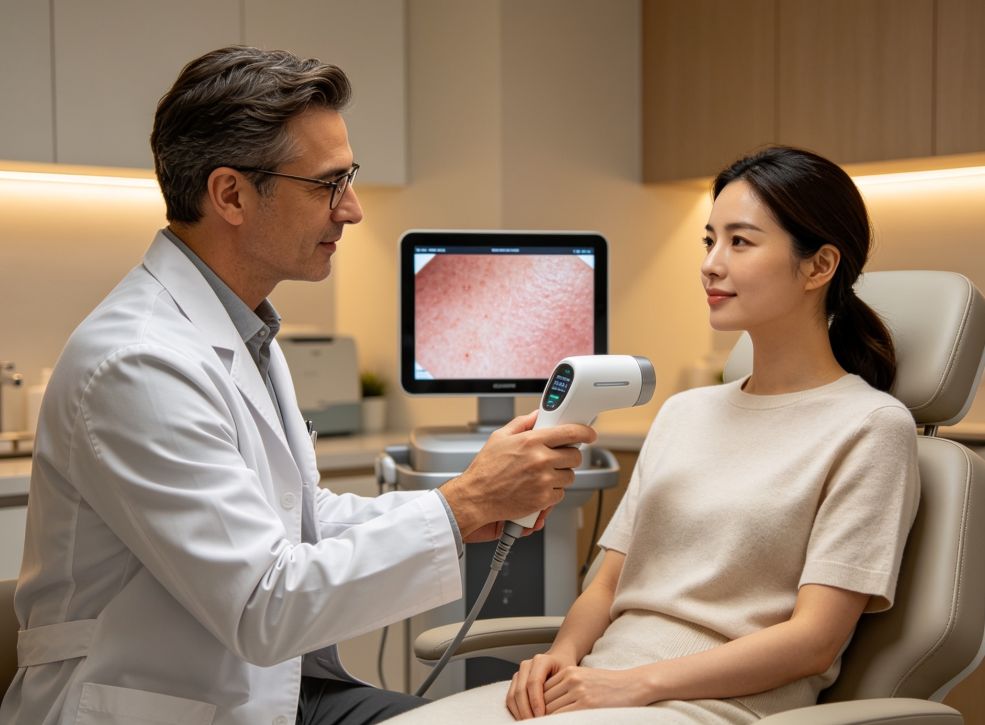
Why Collagen and Elastin Decline with Age
Collagen is the primary structural protein in the skin, while elastin allows tissues to stretch and return to their original shape. Together, these proteins help maintain smoothness and firmness. As people grow older, fibroblasts, the specialized cells responsible for producing collagen and elastin, become less active.
Studies published by the National Institutes of Health show that collagen production decreases by approximately 1 percent each year during adulthood. For women, declining estrogen levels after menopause can accelerate this process, leading to faster reductions in skin thickness and elasticity.
External factors often increase the rate of collagen breakdown. Experts from the American Academy of Dermatology identify ultraviolet radiation as one of the leading causes of premature skin aging. Long-term sun exposure stimulates enzymes called matrix metalloproteinases, which break down collagen fibers faster than the body can replace them. Smoking, poor nutrition, chronic stress, air pollution, and inadequate sleep may further influence skin quality by increasing oxidative stress and inflammation.
How the Skin Repairs Itself
The skin constantly repairs microscopic damage through a carefully coordinated healing process. Following a minor injury, inflammatory cells clear damaged tissue before fibroblasts begin producing fresh collagen. Over time, this newly formed collagen reorganizes into stronger networks that improve structural support.
Many non-surgical skin rejuvenation treatments intentionally trigger this natural repair response in a controlled manner. Rather than replacing lost tissue directly, they stimulate biological pathways that encourage gradual remodeling. Research published in the Journal of Cosmetic Dermatology suggests that controlled wound healing can improve skin texture, firmness, and overall appearance when performed appropriately.
Injectable Collagen Stimulators
Unlike traditional dermal fillers that primarily restore lost volume immediately, injectable collagen stimulators are designed to encourage the body to produce additional collagen over several months. Materials such as poly-L-lactic acid and calcium hydroxylapatite act as biocompatible stimulants that activate fibroblasts during the healing response.
Findings from the American Society for Dermatologic Surgery indicate that these treatments often produce gradual improvements because the body’s own collagen formation takes time. Patients typically notice progressive enhancement in skin firmness, contour, and texture rather than dramatic overnight changes.
Treatment selection depends on multiple factors, including age, skin condition, medical history, and desired outcomes. A physician evaluates whether collagen stimulation is appropriate and develops an individualized treatment schedule that balances effectiveness with safety.
Microneedling and Controlled Skin Repair
Microneedling uses fine sterile needles to create tiny channels in the skin. Although these micro-injuries are extremely small, they activate normal wound-healing pathways that encourage fibroblast activity and collagen synthesis.
Research published by the American Academy of Dermatology and multiple peer-reviewed clinical studies has found that microneedling may improve acne scars, fine lines, enlarged pores, and mild skin laxity. Because the outer skin barrier remains largely intact, recovery time is often shorter than with more aggressive resurfacing procedures.
Microneedling is sometimes combined with topical products chosen by medical professionals. The temporary channels created during treatment may enhance the delivery of selected ingredients, although physicians carefully determine which products are suitable immediately after the procedure to minimize irritation.
Laser-Based Skin Rejuvenation
Laser treatments use concentrated light energy to target specific layers of the skin. Different laser systems are designed for different concerns, including pigmentation, wrinkles, vascular lesions, and texture irregularities.
Ablative lasers remove controlled portions of the skin surface while heating deeper tissue, producing a stronger collagen remodeling response. Non-ablative lasers leave the surface largely intact while delivering thermal energy below the epidermis, resulting in less downtime. Fractional laser technologies treat microscopic sections of skin while leaving surrounding tissue untouched, helping accelerate recovery.
Reports from the American Society for Laser Medicine and Surgery explain that controlled thermal injury stimulates fibroblasts to generate new collagen during healing. Results typically develop gradually over several weeks or months as remodeling continues.
Why Combination Treatments Are Increasingly Common
Skin aging rarely results from a single biological change. Volume loss, collagen depletion, pigmentation changes, muscle movement, and reduced hydration often occur simultaneously. For readers interested in the broader science behind these changes, health and biology influence modern medical spa treatments provides additional context on how biological processes guide today’s aesthetic procedures. For this reason, physicians increasingly combine different evidence-based treatments when appropriate.
For example, a patient with acne scarring and early skin laxity may benefit from microneedling combined with collagen-stimulating injections performed at different stages of treatment. Another patient with significant sun damage may receive laser therapy alongside a medically supervised skincare program designed to protect newly forming collagen.
Research published in the Journal of Clinical and Aesthetic Dermatology suggests that carefully planned combination therapies can address multiple aging mechanisms while maintaining a conservative approach to treatment.
The Importance of Individual Assessment
Every person’s skin ages differently. Genetics, lifestyle, hormonal changes, previous sun exposure, and underlying health conditions all influence treatment outcomes. An intervention that works well for one patient may produce different results for another.
This explains why physician-led assessment remains an important part of aesthetic medicine. Medical professionals evaluate skin quality, review health history, discuss treatment goals, and explain expected benefits alongside possible risks and recovery requirements. They also determine whether certain procedures should be delayed or avoided based on existing medical conditions or medications.
Looking Ahead
Advances in regenerative medicine continue to improve understanding of how the skin repairs itself. Ongoing research explores new biomaterials, growth factor signaling, energy-based technologies, and personalized treatment strategies that may further enhance collagen remodeling while maintaining patient safety.
Although aging cannot be stopped, evidence-based skin rejuvenation techniques offer ways to support the body’s natural repair processes. Injectable collagen stimulators, microneedling, and laser treatments each work through different biological mechanisms, yet they share the common goal of encouraging healthier collagen production rather than replacing normal tissue. When guided by qualified medical professionals, these approaches can form part of a balanced, individualized strategy that respects the biology of aging while helping patients maintain healthier-looking skin over time.