
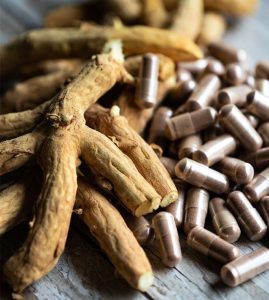
 Research published in the Journal of the International Society of Sports Nutrition reports that Tongkat Ali supplementation has been linked to improvements in stress hormones and certain markers of physical performance in some study groups. That little root from Southeast Asia, often called Eurycoma longifolia, has built a big reputation. The real story, though, lives deep in your cells, where hormones, enzymes, and binding proteins quietly run the show.
If you have ever looked into strong Tongkat Ali supplements, you have probably seen bold claims about testosterone and vitality. The science is more nuanced. Tongkat Ali contains compounds known as quassinoids, with eurycomanone being one of the most studied. Researchers from institutions in Malaysia and reports referenced by the National Center for Biotechnology Information suggest these compounds may influence how testosterone circulates in the body, especially by interacting with sex hormone binding globulin, or SHBG.
Testosterone, SHBG, and Free Hormones
Testosterone does not float around freely in large amounts. Much of it is bound to proteins, especially SHBG. When testosterone is attached to SHBG, it cannot easily interact with cells. Free testosterone, the unbound portion, is the form that can enter cells and activate androgen receptors. That is where muscle protein synthesis and strength-related signaling begin.
Clinical studies suggest Tongkat Ali may help reduce SHBG levels, which could increase the proportion of free testosterone. A study cited in the Journal of the International Society of Sports Nutrition found that certain men taking standardized extracts experienced changes in their testosterone profile compared to baseline. It is important to say this clearly, effects vary. Age, training status, sleep, and overall health all matter. Hormones are stubborn. They do not shift dramatically overnight because of a single capsule.
Still, the mechanism makes biological sense. If quassinoids reduce SHBG binding, more testosterone remains biologically active. That could support muscle repair, libido, and general energy. The keyword here is could. Human physiology is rarely simple.
Cortisol and the Stress Response
Testosterone gets most of the headlines, but cortisol deserves equal attention. Cortisol is the main stress hormone, released by the adrenal glands through the hypothalamic-pituitary-adrenal axis. When stress becomes chronic, cortisol can remain elevated. High cortisol over time may interfere with muscle growth, immune function, and mood.
A frequently cited study conducted with moderately stressed adults found that Tongkat Ali supplementation was associated with reduced cortisol levels and improved mood state scores. The authors reported these findings in a peer-reviewed setting, and the data gained attention because stress is such a universal problem. If cortisol drops and testosterone rises slightly, that shift in balance could support better recovery from workouts.
Think about the athlete who trains hard but sleeps poorly and juggles work stress. Their body is walking a hormonal tightrope. In theory, improving the testosterone to cortisol ratio may help tilt the balance toward recovery rather than breakdown. That is one reason why Tongkat Ali is often discussed in sports circles.
Muscle Strength and Performance
 So what does the research actually say about strength? Some controlled trials have examined muscle performance in men supplementing with standardized Tongkat Ali extract. Some reported improvements in lean body mass and strength when combined with resistance training. Others showed modest or no changes, which aligns with broader research on the biology of fitness gains and supplements, where results vary based on training, nutrition, and hormonal environment.
The variability matters. The International Society of Sports Nutrition emphasizes that supplementation works best when layered on top of solid basics, adequate protein, structured training, and recovery. No herb replaces squats, progressive overload, and sleep. Anyone who tells you otherwise is selling fantasy.
At the cellular level, if free testosterone increases, androgen receptors in muscle tissue may receive stronger signals. This can influence protein synthesis pathways, including mTOR signaling, which plays a central role in muscle growth. But again, these pathways are influenced by diet, age, and genetics. Biology is a team sport.
Where the Evidence Stops
Here is the honest part. Many studies on Tongkat Ali involve small sample sizes. Some focus on men with low testosterone or high stress, rather than elite athletes. Standardization of extracts differs between brands. Dosage varies. Long-term safety data in large populations is still limited.
Organizations like the National Institutes of Health and databases such as the National Center for Biotechnology Information continue to catalog emerging research, but they do not endorse sweeping claims. More randomized, placebo-controlled trials are needed. Especially in women, older adults, and high-performance athletes.
That does not mean the herb is ineffective. It means science is cautious, as it should be. Supplements live in a gray zone between traditional use and modern clinical validation. Tongkat Ali has centuries of ethnobotanical history in Southeast Asia. Modern labs are still catching up.
Real-World Physiology
Hormones shape how you feel when you wake up. They influence whether your workout feels powerful or flat. Testosterone supports muscle maintenance, red blood cell production, and drive. Cortisol helps you respond to stress but can chip away at recovery when chronically elevated.
By potentially nudging these hormones in a favorable direction, strong Tongkat Ali products may support resilience and performance for some people. The key word is support. They are tools, not magic.
Curiosity about how your body works is a good thing. Skepticism is even better. The biology behind Tongkat Ali is promising, grounded in plausible mechanisms involving SHBG, free testosterone, and cortisol balance. Yet firm conclusions require larger, long-term studies. Until then, think of it as a fascinating player in the hormonal orchestra, capable of subtle influence, but never the whole symphony.